Kave Gallery
A dialogue between art and heritage at the Musée national Picasso-Paris
In this new edition of Kave Gallery photographed at the emblematic Musée national Picasso-Paris, we present works by Piro, Sacrée Frangine, Szymon Keller and Terre Brute: four perspectives that form a dialogue with the Mediterranean in a space that celebrates its heritage.

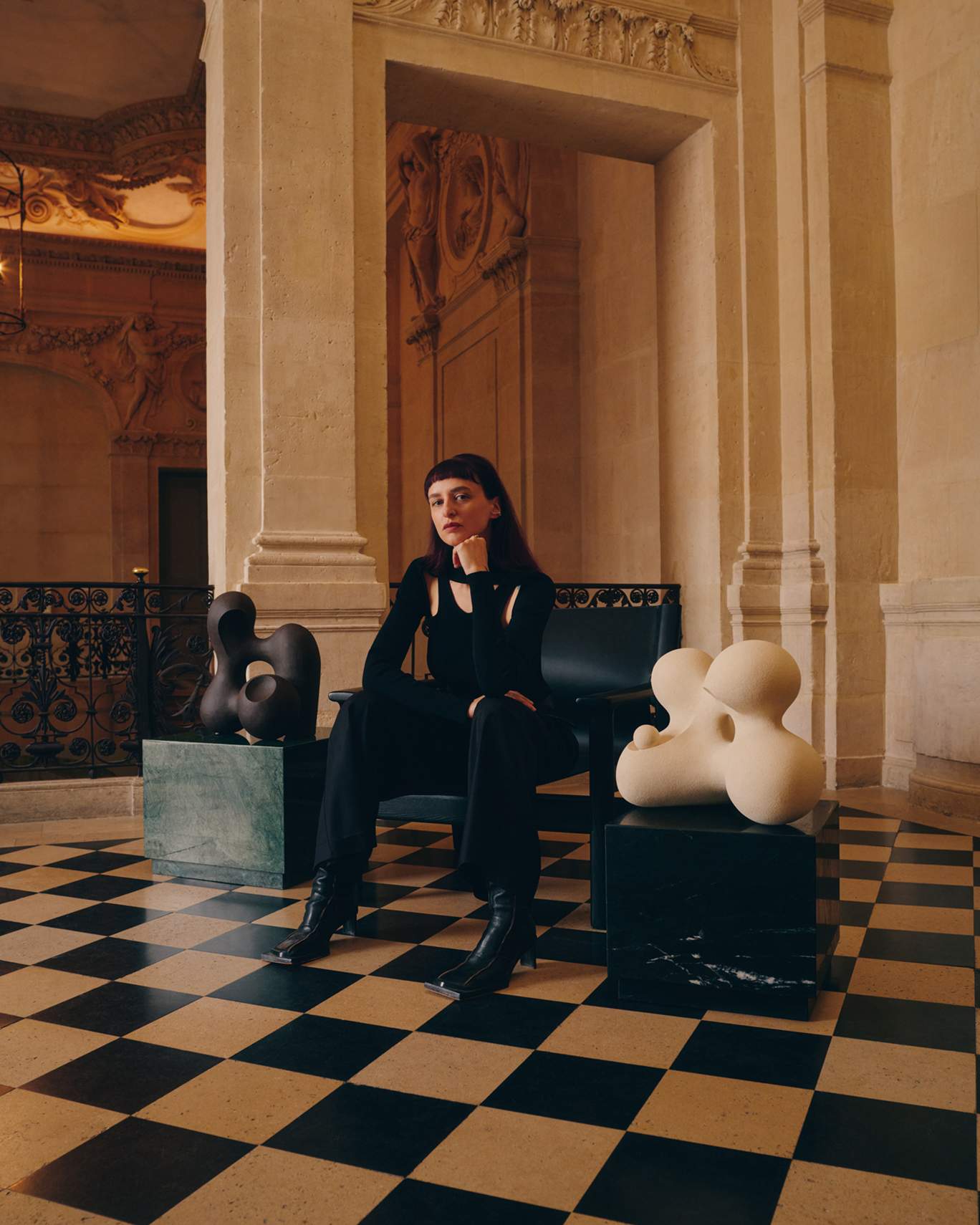
Terre Brute
Terre Brute creates sculptures inspired by the organic and fluid forms of nature, combining abstraction with biomorphism.
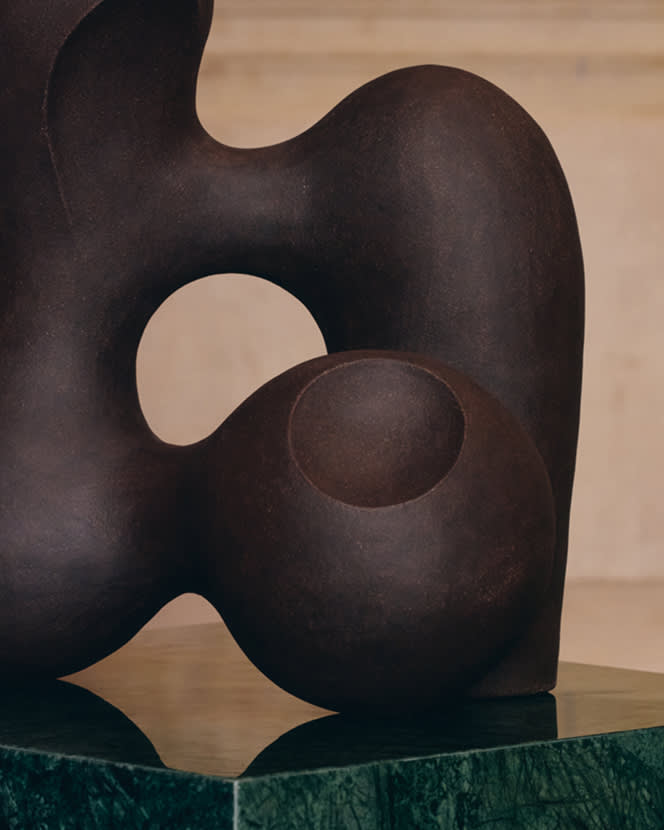
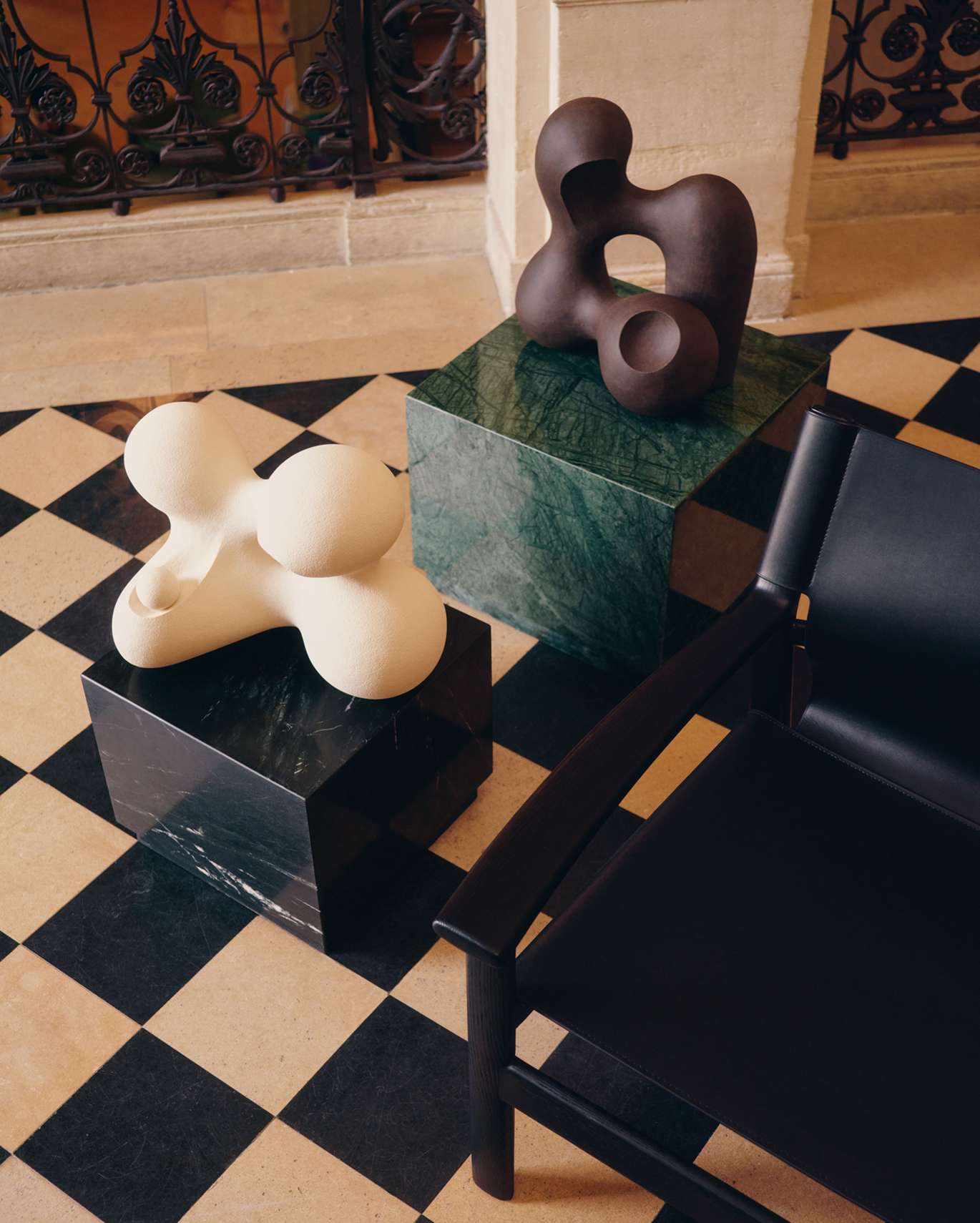
Her works convey movement and capture landscapes in transformation, such as hills or the waves of the sea. Through her sculptures, she reflects the connection between the human being and the environment, generating harmony and unity.

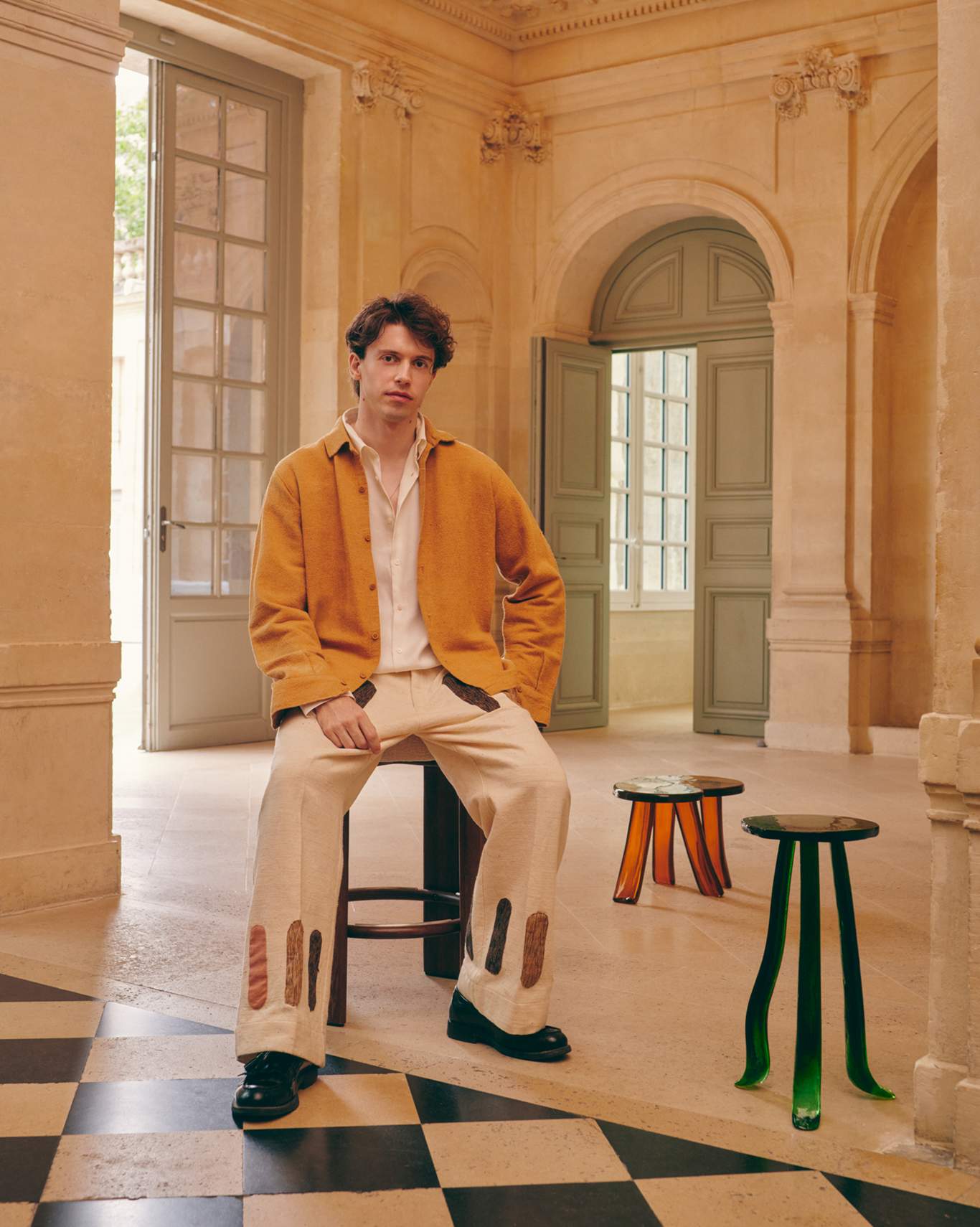
Szymon Keller
Szymon is a designer born in Pomerania, Poland, whose work is built on memory, migration and dialogue between cultures.
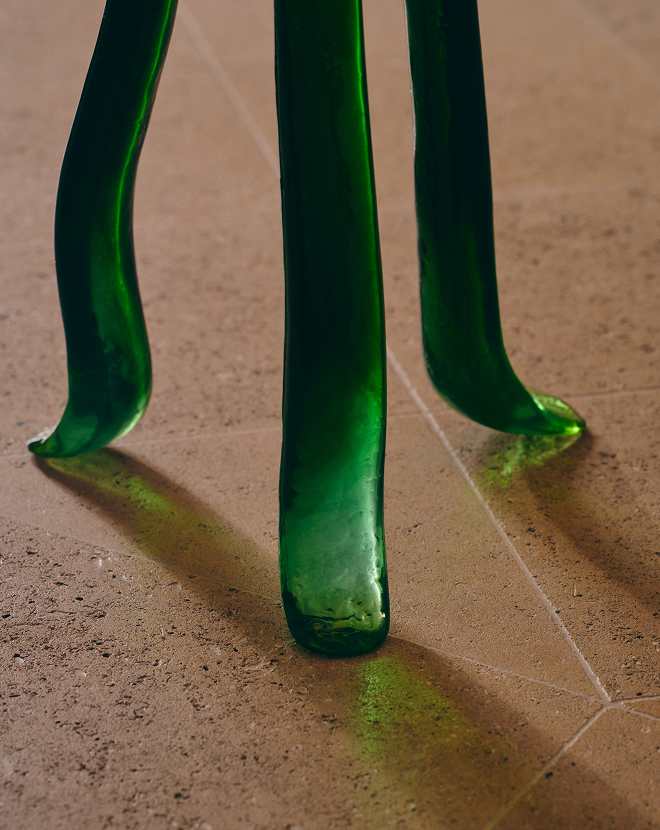
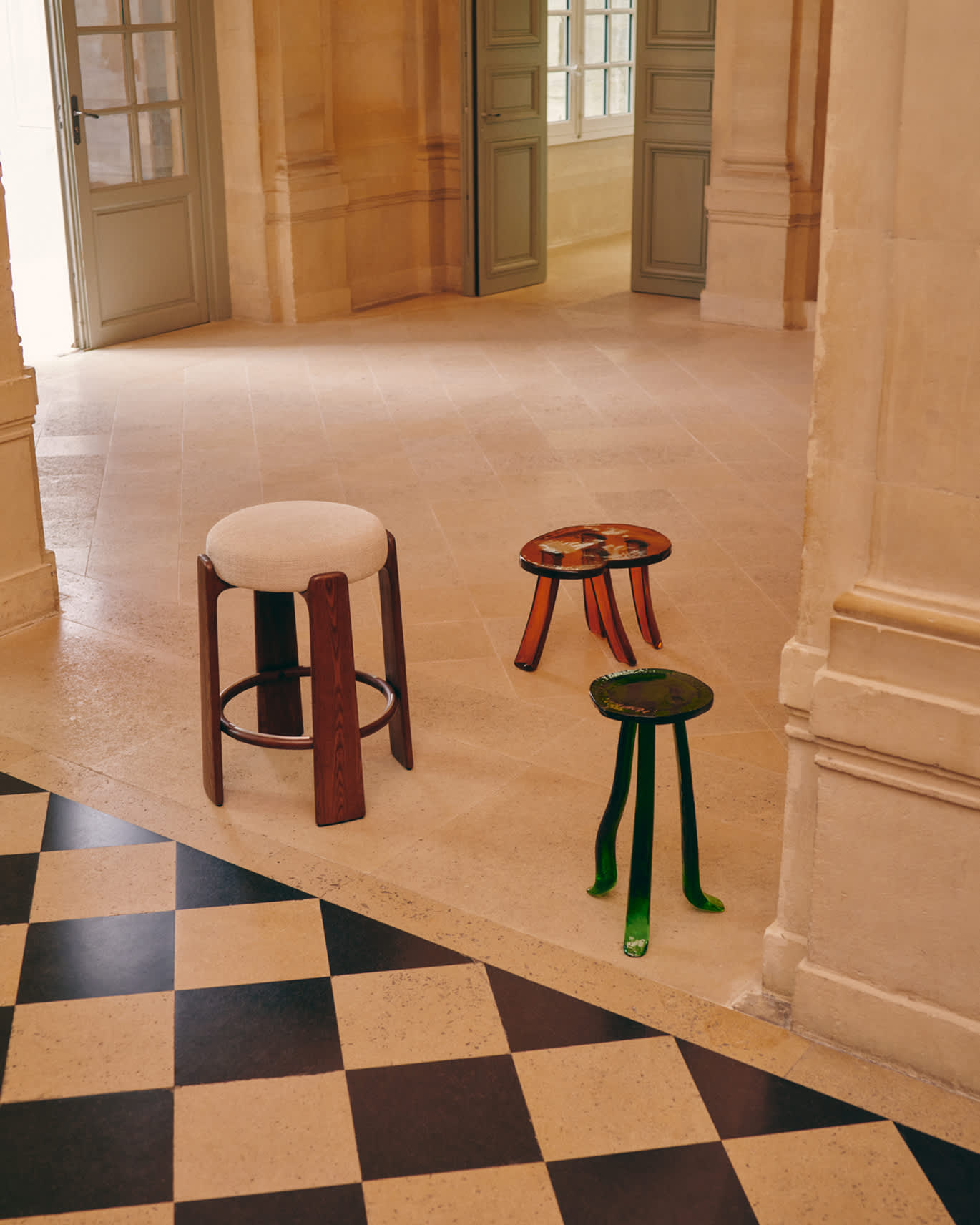
Trained in Fine Arts and with a career that connects interior design with collectible design, his practice is nourished by his observation of the environment and a deep connection with nature. The light of the Mediterranean, the landscapes of his native land and the architecture of Barcelona coexist in his studio, where he creates pieces that capture ephemeral moments. He mainly works with resin, allowing factors such as light, temperature and humidity to leave their mark on each object, making it a material testament to the time and place.

Sacrée Frangine
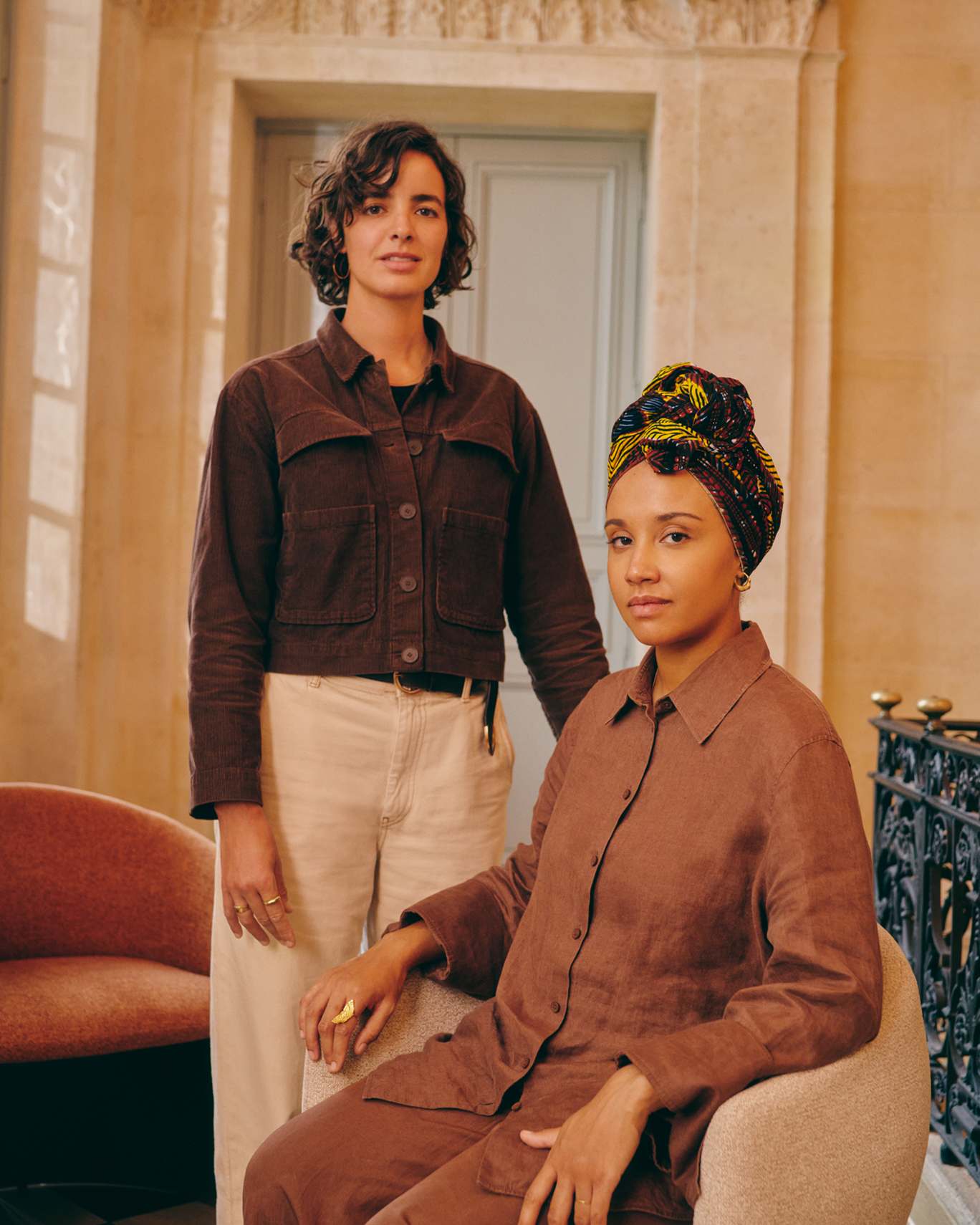
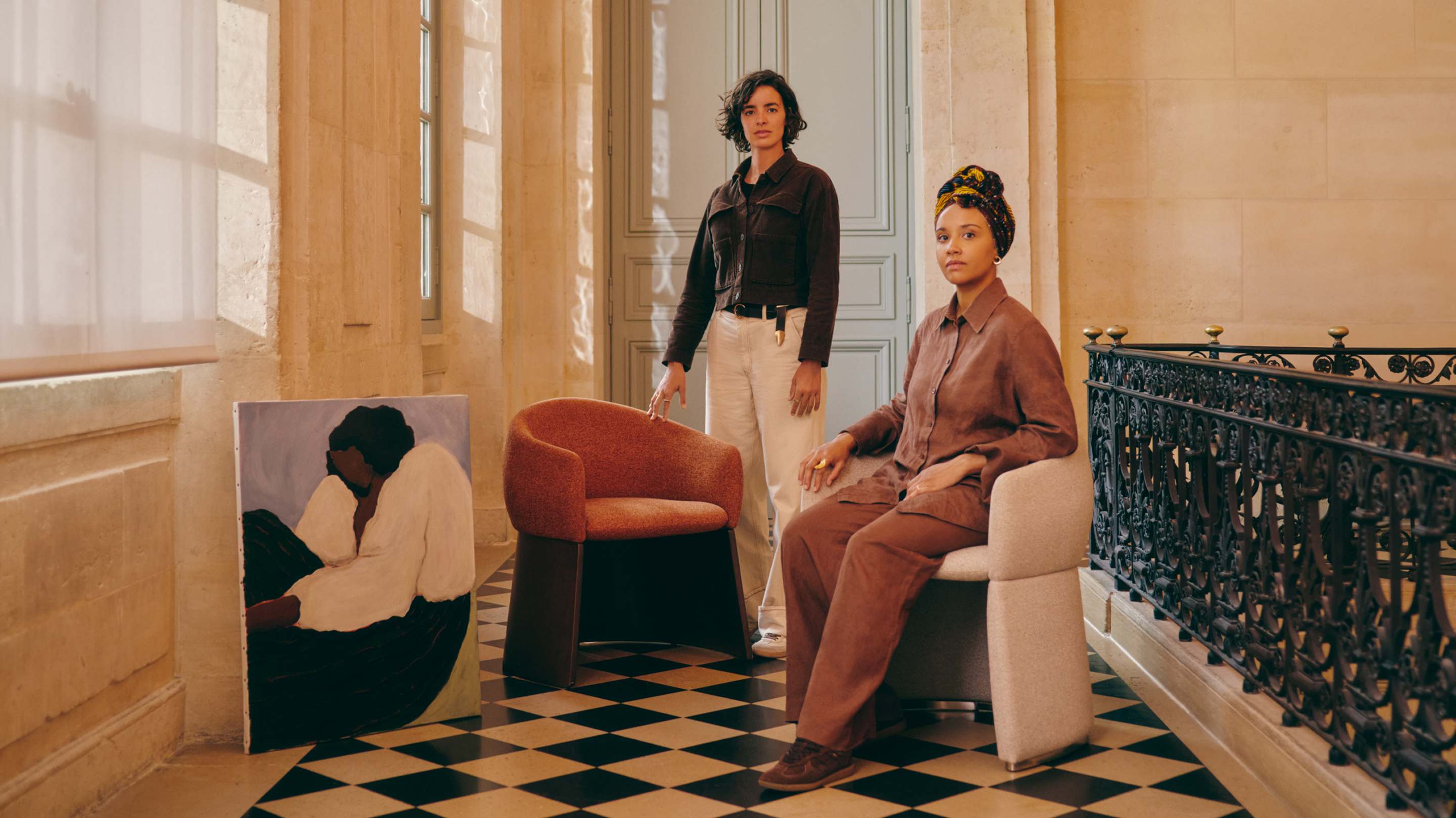
Sacrée Frangine is a French creative duo formed by art directors and illustrators Célia Amroune and Aline Kpade.
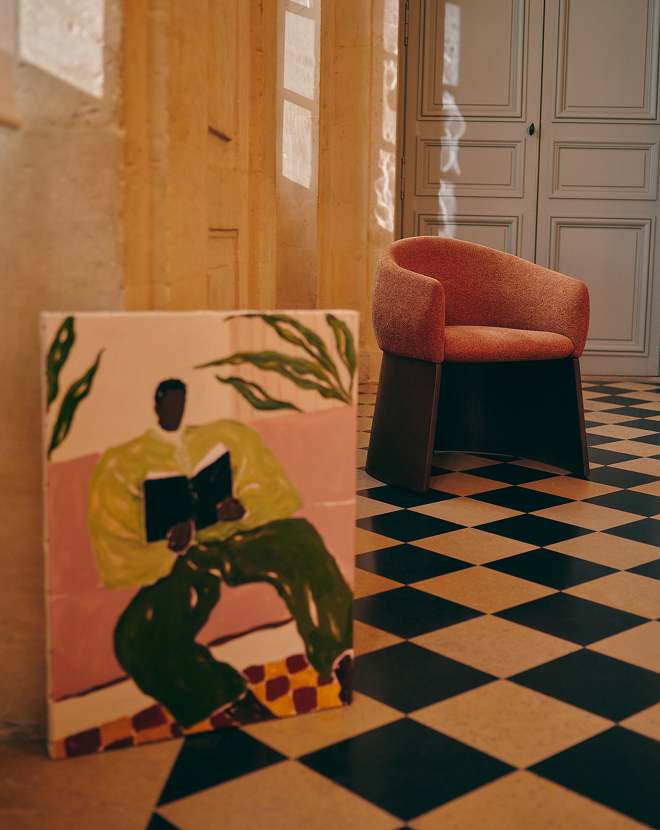
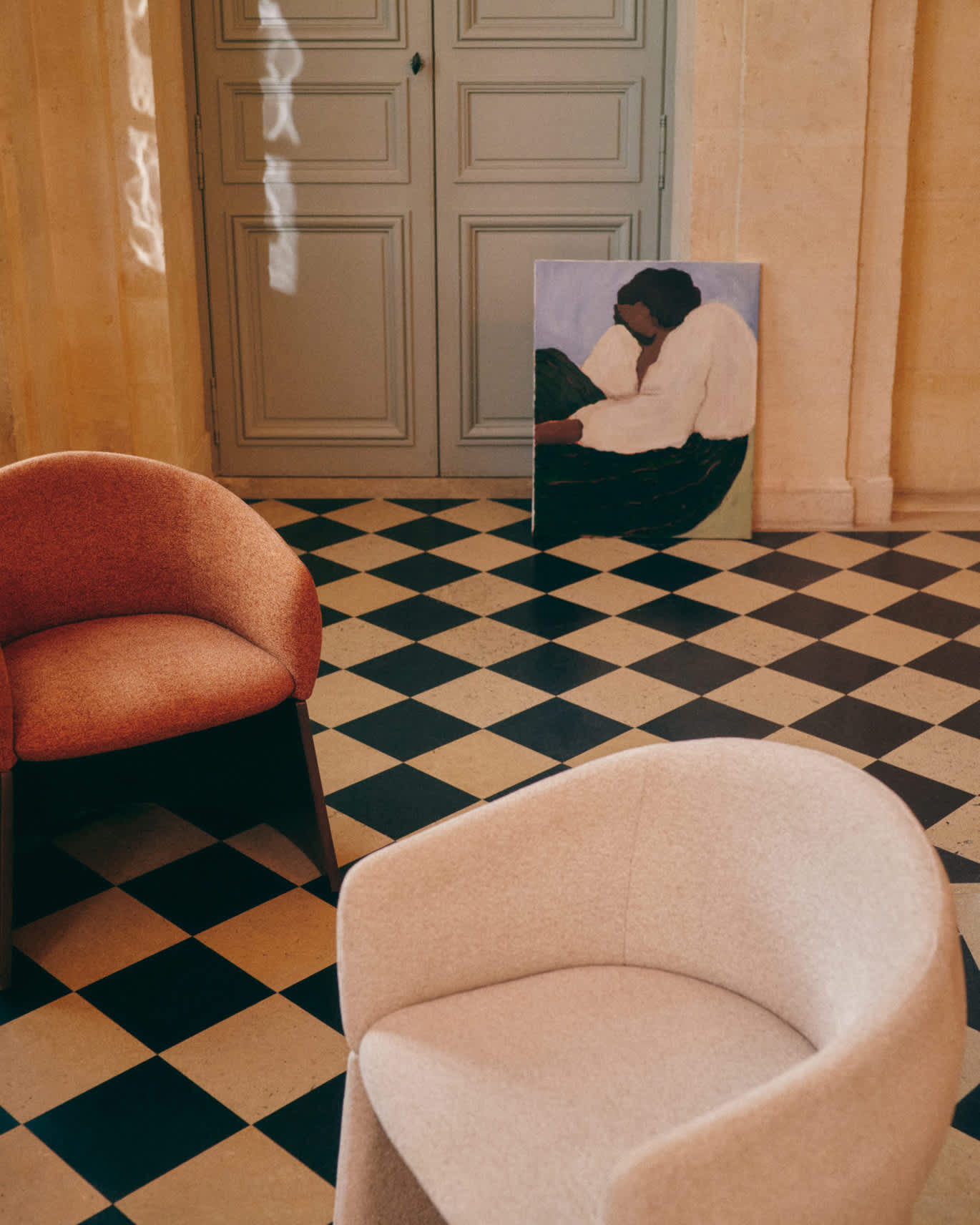
United by a childhood friendship and their passion for graphic design and colour, they decided to merge their talents in joint projects, resulting in an original artistic offering. Their work is inspired by portraiture, nature and femininity, exploring the beauty of the everyday. Through minimalist compositions that prioritise the harmony of shapes and colours, they mix figuration and abstraction to create a bright and attractive universe that speaks of acceptance, connection and inner strength.
Piro
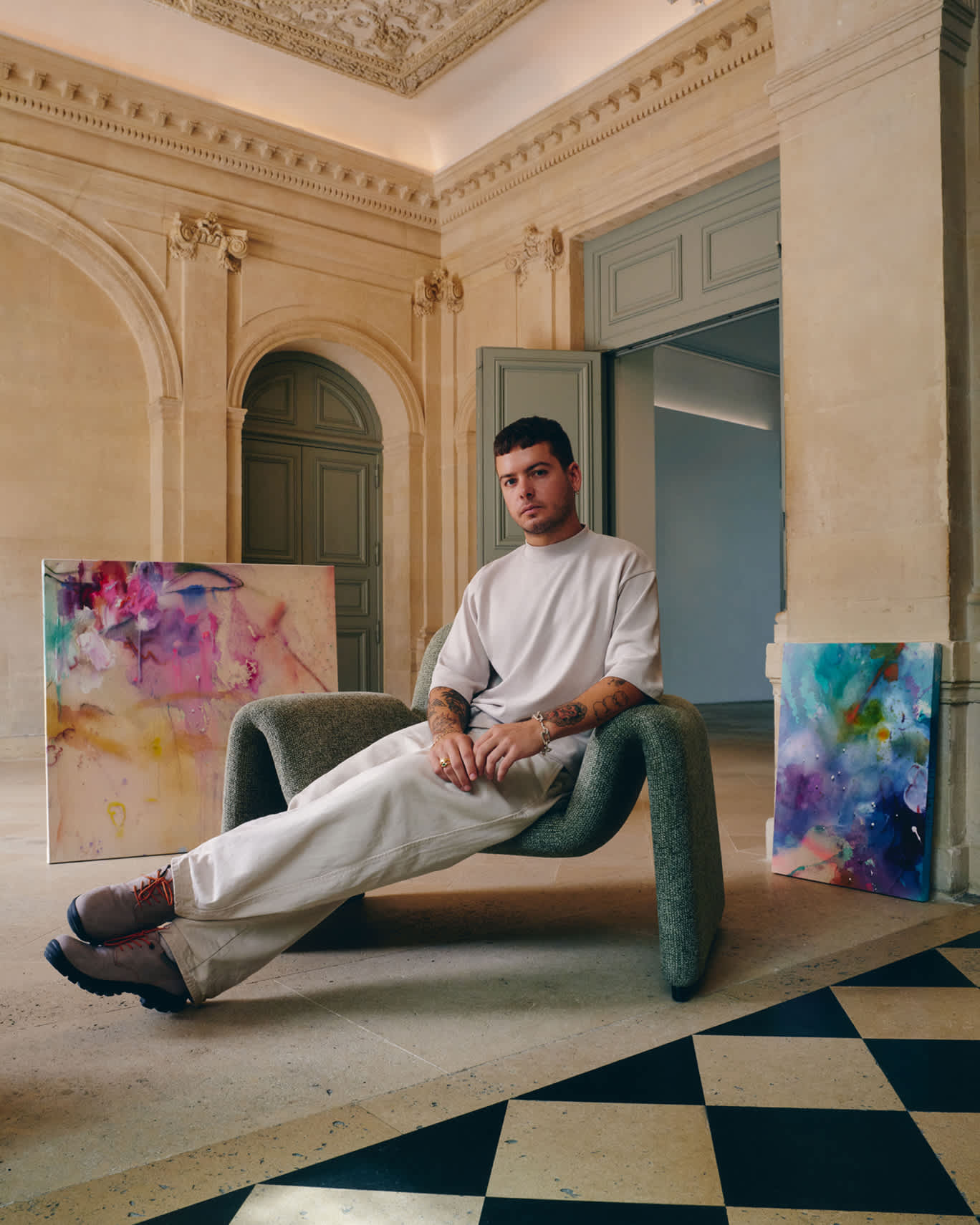
Piro's work stems from travel and changing landscapes, but also from his daily routine.
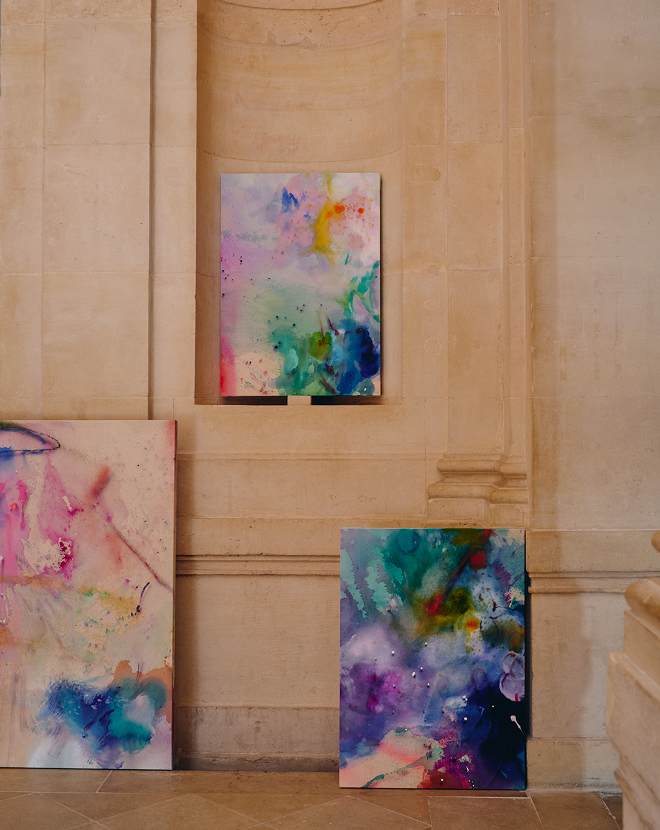
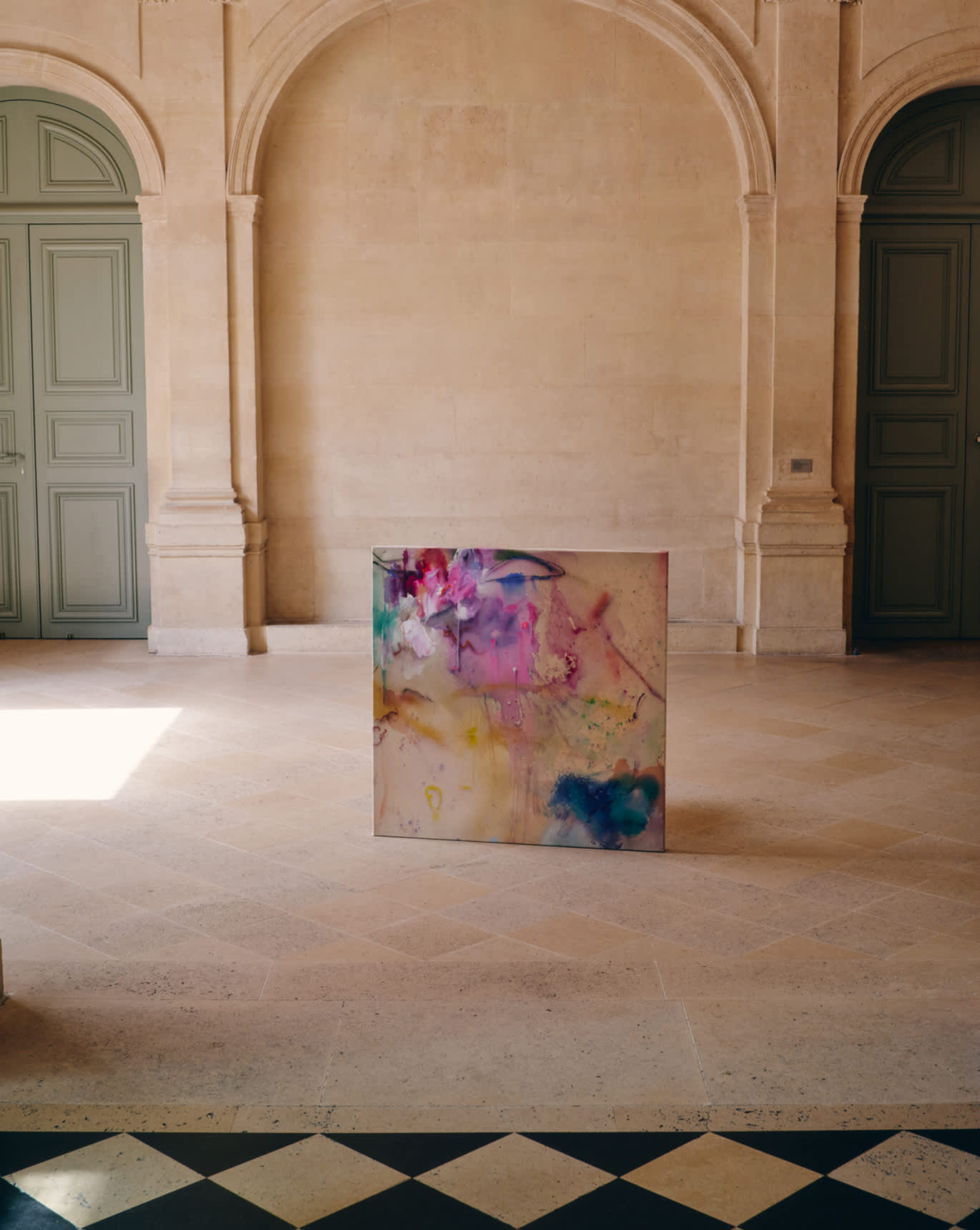
His creative process adapts to the environments in which he works, especially the contrast between the Mediterranean climate and light and the energy of the city of Madrid.
His pieces are formed of layers that conjure up the passing of time and his own life experiences. Although he began with murals on the streets of his hometown, that initial strength remains in his current work.
